How We Count Your Windows

Homes in The Woodlands and Tomball area can range from 25 windows to 300 windows. This is how we determine your home’s window count.
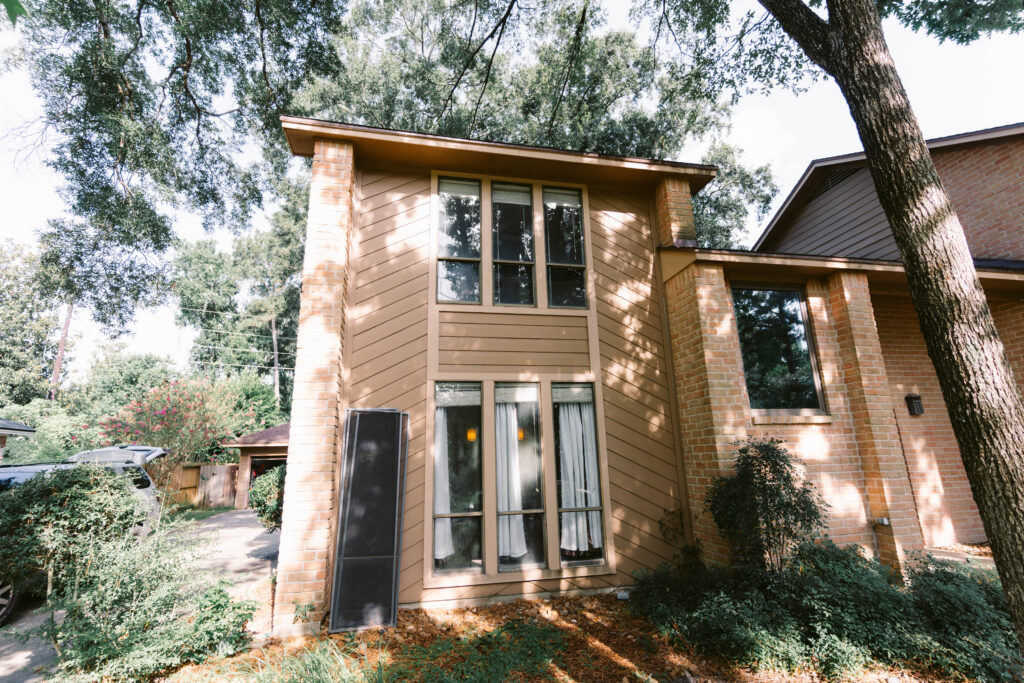
Two story home receiving professional window cleaning services in Houston, TX

Every Home is Unique But We Count Windows The Same

When it comes to cleaning your windows, every home will greatly vary in the amount of windows, the size of windows, or where those windows are located. 

We try to simplify it by counting the amount of individual window panes you have on your home.

A window can have 1 to 4 or more panes of glass. 
We Count The Individual Window Panes

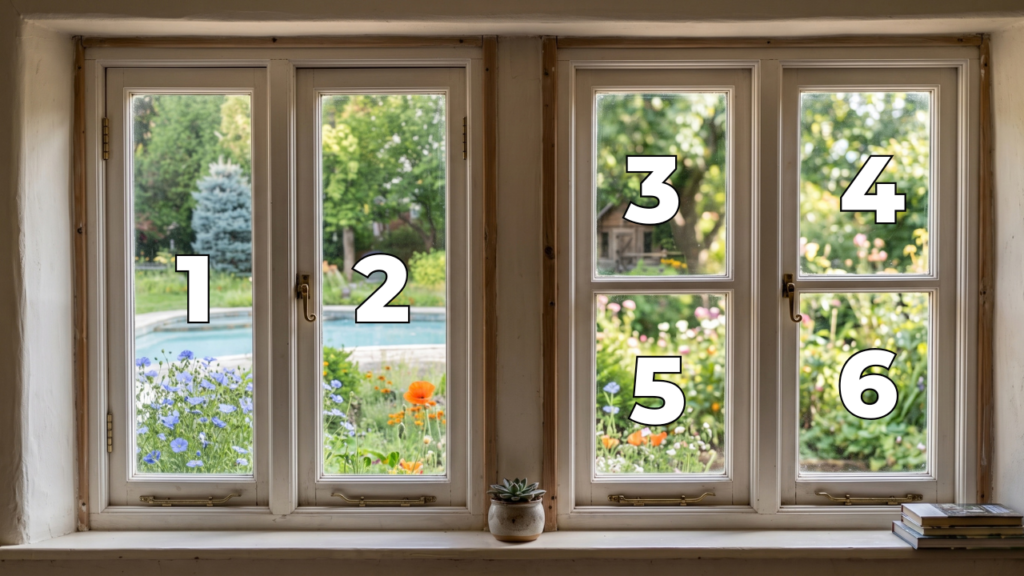
We count by the pane, not by the window. The mockup above would be 6 window panes.

A pane is each individual piece of glass. Many windows have more than one. For example, a standard single-hung window has two panes (top and bottom), and some larger windows have three or more.

We count each piece of glass separately so you only pay for exactly what we clean.
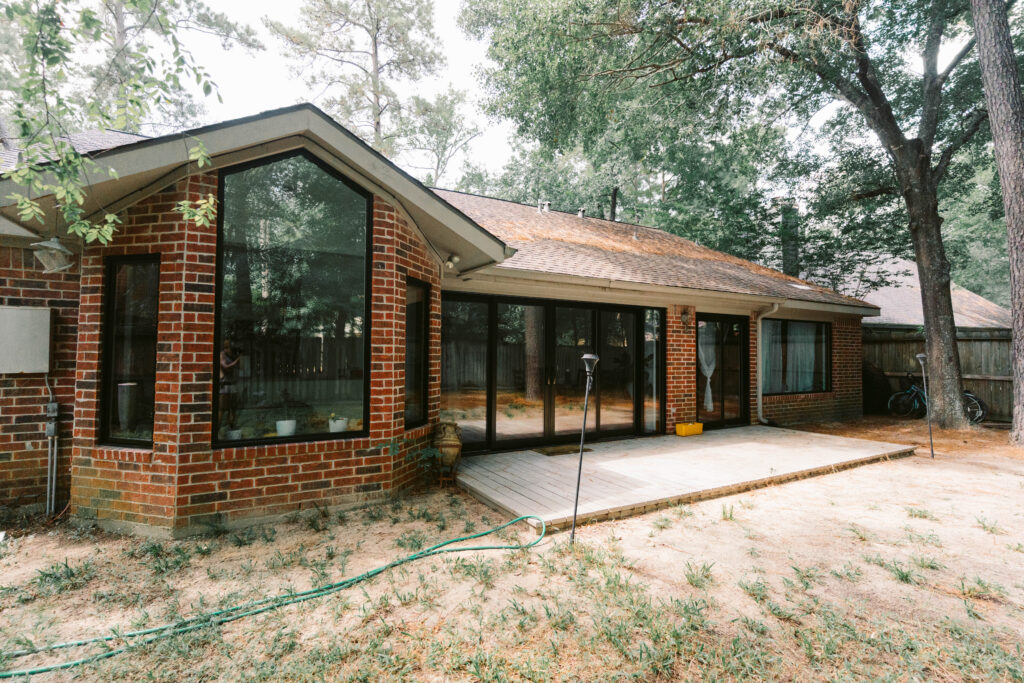
Many Different Types of Windows

That’s why every home is so unique. Whether it’s the type of gutter systems it has or even how we can go about hanging the Christmas lights,  there’s dozens and dozens of variations it can have. Windows are the exact same way.

There’s many type of windows a home can have and we want to make it the most simple way of counting them. A home can have any of these types of windows: 

  • Single-hung: Two sashes stacked vertically; only the bottom one slides up. Usually 2 panes.
  • Double-hung: Looks like single-hung, but both sashes move, and many tilt in for cleaning. Usually 2 panes.
  • Sliding (slider): Two or more sashes that slide side to side. Usually 2 panes, sometimes 3 on wider units.
  • Casement: Hinged on the side and cranks outward like a door. Usually 1 pane per sash, often installed in pairs.
  • Awning: Hinged at the top and cranks outward from the bottom. Usually 1 pane.
  • Hopper: Hinged at the bottom and tilts inward from the top, common in basements. Usually 1 pane.
  • Picture: A large fixed window that doesn’t open. Usually 1 pane, but often big.
  • Fixed / specialty shapes: Non-opening windows in circles, half-rounds (arches), triangles, or octagons, often above doors or other windows. Usually 1 pane each.
  • Bay: Three windows projecting outward at angles, typically a large center picture window flanked by two smaller operable windows. Often 3 to 5 panes.
  • Bow: Similar to a bay but curved, made of four or more equal-sized windows. Often 4 to 6+ panes.
  • Garden: A small box-shaped window that projects outward, often over a kitchen sink. Usually 3 to 5 panes including the top.
  • Transom: A narrow window above a door or another window. Usually 1 pane.
  • Sidelight: Tall narrow windows on one or both sides of a front door. Usually 1 pane each.
  • Skylight: A window set into the roof. Usually 1 pane.
  • Clerestory: A row of high windows near the ceiling line. Usually 1 pane each.
  • Glass block: A section of thick glass blocks, often in bathrooms or basements. You may want a separate pricing rule for these since they’re one unit made of many blocks.
  • Jalousie (louvered): Horizontal glass slats that open like blinds, found in older or warmer-climate homes. Many small slats, so these are often priced separately.
  • Sliding glass door / French door: Not windows exactly, but usually part of a window cleaning job. Sliding doors are typically 2 panes; French doors are 1 per door unless divided.